
"Ethiopian grading system"
300 article(s) found

Introduction of Ethiopian Coffee Bean varieties in Ethiopian Coffee Flavor Manor
In Ethiopia, the grading and quality control system of coffee is divided into three levels: producer, regional and national. All coffee is inspected by local inspection agencies before leaving the country of origin, and then re-tested at the coffee inspection and grading centers in Addis and Diredawa to determine its quality grade. Coffee is graded before auction and sale, for all involved in production, acquisition,

How to drink coffee beans washed in Ethiopian tea Liku water _ introduction to Ethiopian coffee producing areas
Professional coffee knowledge exchange more coffee bean information please follow the coffee workshop (Wechat official account cafe_style) Ethiopian coffee Ethiopia Ethiopia is the birthplace of coffee, legend has it that an unknown shepherd Kadi Kaldia found this best-selling mysterious red fruit: coffee, while herding sheep in the forests of western Ethiopia.

The long aftertaste of Ethiopian coffee introduces the characteristics of Ethiopian coffee.
In Ethiopia, the grading and quality control system of coffee is divided into three levels: producer, regional and national. All coffee is inspected by local inspection agencies before leaving the country of origin, and then re-tested at the coffee inspection and grading centers in Addis and Diredawa to determine its quality grade. Coffee is graded before auction and sale, for all involved in production, acquisition,

Yega Xuefei, a delicious and exquisite Ethiopian boutique coffee producing area
Yega Xuefei is a small town in Ethiopia, 1700-2100 meters above sea level, located in the northwest of Sidamo Province, with mountains and lakes. It is one of the highest coffee-producing areas in Ethiopia and is synonymous with Ethiopian boutique coffee. Strictly speaking, Yega Xuefei is a by-product area of the Sidamo region of Ethiopia (Sidamo), which is independent because of its special flavor.
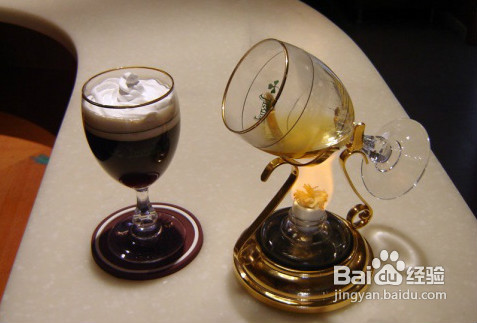
Ethiopian coffee varieties with wine-like sour taste introduce boutique coffee beans
In Ethiopia, the grading and quality control system of coffee is divided into three levels: producer, regional and national. All coffee is inspected by local inspection agencies before leaving the country of origin, and then re-tested at the coffee inspection and grading centers in Addis and Diredawa to determine its quality grade. Coffee is graded before auction and sale, for all involved in production, acquisition,

The Ethiopian raw bean Yega Shefia Damei Cooperative belongs to the Vanaguo producing area in Ethiopia.
In addition to the small town of Yega Xuefei, it also includes three by-product areas such as Wenago, Kochere and Gelena/Abaya around it. 1. Planting system and environment the mountain stream village in the Yega Xuefei producing area is cool and foggy, like spring all the year round, with a gentle breeze in summer, cool but not hot, rain but not damp, and no cold damage in winter, which is the best environment for planting Arabica. There are no large coffee plantations, coffee.

Ethiopia, the largest producer of coffee in Africa.
Coffee grading and quality control system in Ethiopia, coffee grading and quality control system is divided into three levels: producer, regional and national. All coffee is inspected by local inspection agencies before leaving the country of origin, and then re-tested at the coffee inspection and grading centers in Addis and Diredawa to determine its quality grade. Coffee is graded before auction and sale

Introduction to the taste and flavor of Ethiopian coffee
In Ethiopia, the grading and quality control system of coffee is divided into three levels: producer, regional and national. All coffee is inspected by local inspection agencies before leaving the country of origin, and then re-tested at the coffee inspection and grading centers in Addis and Diredawa to determine its quality grade. Coffee is graded before auction and sale, for all involved in production, acquisition,
The Operation of the Standard Coffee Bean grading system for Coffee grading and the effect of grading on Price
What is coffee grading? Coffee grading is a basis for evaluating the quality of raw coffee beans before export. at present, there is no unified grading system in the world, but different grading systems according to different coffee producing countries. This means that coffee is graded according to different standards in different regions, and sometimes the same meaning is presented in different terms. The International Trade Center pointed out that coffee

Introduction to the characteristics of the manor producing area with strong flavor of Ethiopian coffee
In Ethiopia, the grading and quality control system of coffee is divided into three levels: producer, regional and national. All coffee is inspected by local inspection agencies before leaving the country of origin, and then re-tested at the coffee inspection and grading centers in Addis and Diredawa to determine its quality grade. Coffee is graded before auction and sale, for all involved in production, acquisition,

Coffee Trading system in Ethiopia | ECX Trading system
Professional barista exchanges please pay attention to the coffee workshop (Wechat official account cafe_style) Ethiopia ECX trading system is the savior of Ethiopian commercial bean farmers, but for the third wave of boutique coffee, traceability is a headache. Let's get to know the ecx trading system that is very important to Ethiopia's producing areas. Ethiopia's infrastructure is underdeveloped.

Ethiopian coffee flavor with intense nutty aromas. Manor characteristics. Fine coffee medium.
In Ethiopia, coffee classification and quality control systems are divided into producer, regional and national levels. All coffees are inspected by local inspection agencies before they leave the country of origin, and then re-inspected at coffee inspection and grading centres in Addis and Diredova to determine their quality grade. Coffee is graded prior to auction and sale, and all participants in production, acquisition,
What is the Ethiopian Commodity Exchange? What role does ECX play in Ethiopian Coffee Trade
The Ethiopian Commodity Exchange (ECX) is the national multi-commodity exchange in Ethiopia, through which most of the country's coffee is traded. Since its establishment in 2008, it has been the subject of praise and criticism in the entire coffee industry. Although adjustments have been made to the way ECX operates, the views of the industry as a whole remain uneven. For people outside Ethiopia

Citrus flavor Ethiopian coffee grind characteristics Variety flavor description
In Ethiopia, coffee classification and quality control systems are divided into producer, regional and national levels. All coffees are inspected by local inspection agencies before they leave the country of origin, and then re-inspected at coffee inspection and grading centres in Addis and Diredova to determine their quality grade. Coffee is graded prior to auction and sale, and all participants in production, acquisition,

Ethiopian Coffee Flavor description Taste characteristics Variety Price Brand Fine Coffee
In December 1994, the Constitution of the Federal Democratic Republic of Ethiopia was formulated. According to the Constitution, Ethiopia will implement a federal system and a parliamentary cabinet system after the general election for a term of five years. After the national election in May 1995, the Federal Democratic Republic of Ethiopia was established on August 22, and Meles became prime minister in her capacity as chairman of the majority party of the people's House of Representatives. On May 14, 2000, Ethiopia held a national meeting

Introduction of Ethiopian Coffee Grinding scale treatment Variety Taste Manor
In Ethiopia, the grading and quality control system of coffee is divided into three levels: producer, regional and national. All coffee is inspected by local inspection agencies before leaving the country of origin, and then re-tested at the coffee inspection and grading centers in Addis and Diredawa to determine its quality grade. Coffee is graded before auction and sale, for all involved in production, acquisition,

What are the functions of Arabica coffee
Following caf é (Wechat official account vdailycom) found that Beautiful Caf é opened a small shop of its own Ethiopia is the hometown of Arabica coffee, it is in the forests of the Kaffa region that you can see wild Arabica coffee. In Ethiopian, coffee is called Bun or Buna, and coffee beans (coffeebean) may be turned from Kaffa Bun

The introduction of the producing areas of Ethiopian coffee beans in what way they are graded.
A brief introduction to the taste of Starbucks Ethiopian coffee beans. The grading and quality control system of coffee is divided into three levels: producer, regional and national. All coffee is inspected by local inspection agencies before leaving the country of origin, and then re-tested at the coffee inspection and grading centers in Addis and Diredawa to determine its quality grade. The coffee is being shot.

Acidity and texture of Ethiopian Coffee Manor Flavor characteristics of Fine Coffee beans
In Ethiopia, the grading and quality control system of coffee is divided into three levels: producer, regional and national. All coffee is inspected by local inspection agencies before leaving the country of origin, and then re-tested at the coffee inspection and grading centers in Addis and Diredawa to determine its quality grade. Coffee is graded before auction and sale, for all involved in production, acquisition,

Ethiopian coffee plantation flavor taste introduction Ethiopian coffee characteristics
35% of coffee is courtyard coffee. In this coffee garden, the planting is three-dimensional distribution. Coffee sits in the lower layers, in the shade of other crops, to get the right environment to grow. Fertilizer is mainly deciduous, withered grass and animal manure. 5% of coffee is plantation coffee. This is a modern way of growing coffee. Coffee is grown in forests, but new varieties are used and mixed with other trees.